Best foods to stay cool in hot weather | Pure

Does eating protein make you feel hotter?

Yes. As reported by BBC News, nutrition experts recommend digesting protein requires more energy from your stomach, intestines and liver than digesting other food groups, which raises your body temperature as a result.

This means a heavy, protein-dense meal like steak can leave you feeling hotter and sweatier than a lighter option would.

That doesn’t mean you should cut protein out in hot weather, but there’s no evidence you need more protein in a heatwave, your body still needs its usual amount. The trick is choosing protein sources that are lighter to digest:

  • Beans, lentils and chickpeas
  • Eggs
  • Greek yoghurt
  • Pre-cooked or cold meats
  • Lighter fish such as tuna or salmon

Cold, salad-based meals built around these ingredients — rather than a hot plate of red meat — are one of the easiest ways to manage body heat through food.

Some Pure favourites that tick all the boxes are:
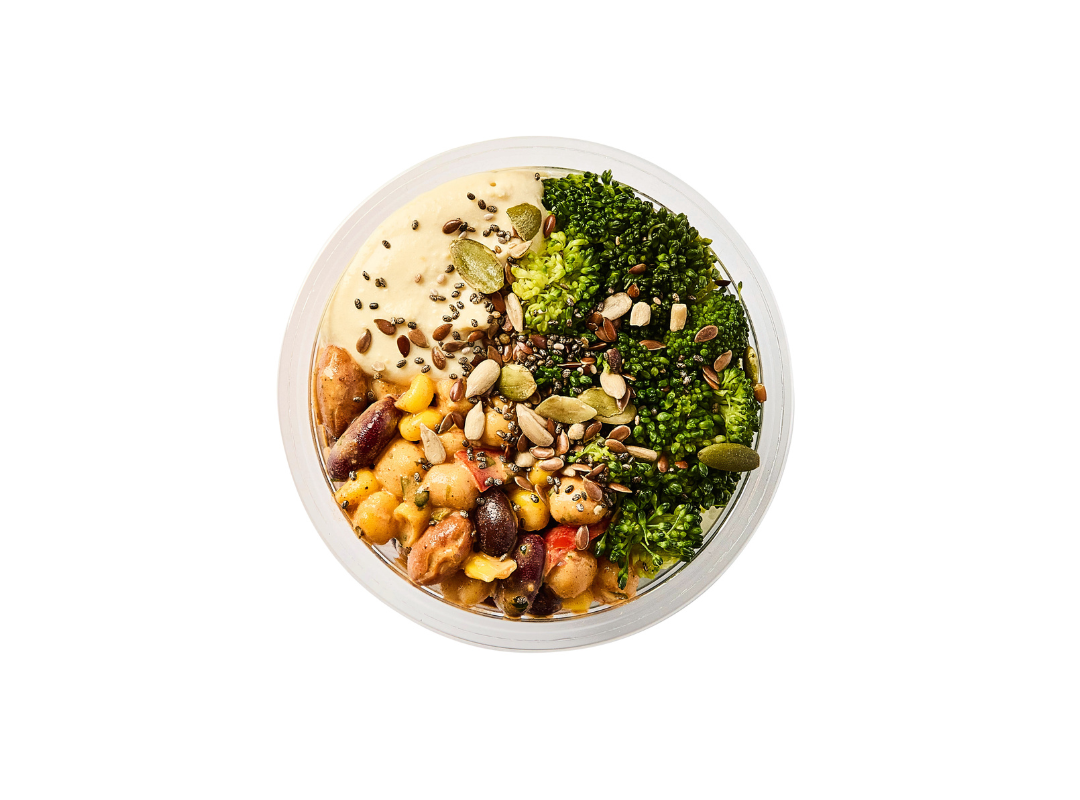
Super Fast Fibre

Smoky bean mix & broccoli with mixed seeds & hummus.

Super Protein

Greek-style yoghurt, forest berries, mixed nuts, dates, seeds & peanut butter.
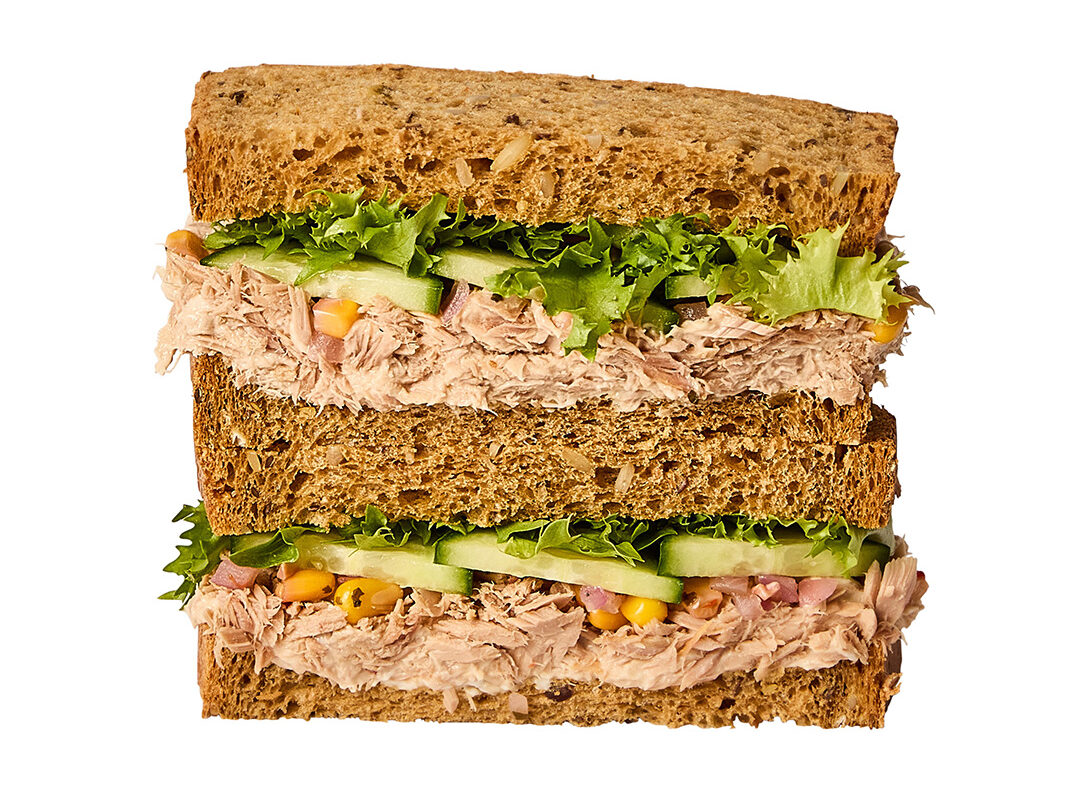
Skipjack Tuna & Smoky Corn

Handmade with pole & line caught tuna, cucumber & mixed leaves in multigrain bread made with Wildfarmed regenerative flour.

Practical ways to eat cool this summer

  • Choose cold, salad-based meals over hot, protein-heavy dinners when the temperature is high
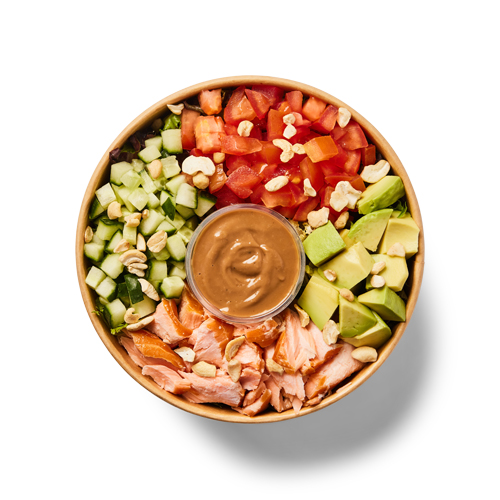
  • Build meals around high-water vegetables like cucumber, tomato and lettuce — Pure’s Celebrity Skin salad is built around this exact combination
  • Get your protein from lighter, easy-to-digest sources: beans, chickpeas, eggs, Greek yoghurt — Pure’s Greek yoghurt pots with fruit are a ready-made option
  • Keep drinking water throughout the day, and top it up with water-rich fruit and veg

If cooking is the last thing you want to do in this heat, a fresh Pure salad does all of the above at once — no oven, no hob, no added body heat.

Sources: Aisling Daly, senior lecturer in nutrition, Oxford Brookes University; Dr Charlotte Mills, food and nutrition scientist, University of Reading; NHS hydration guidance.